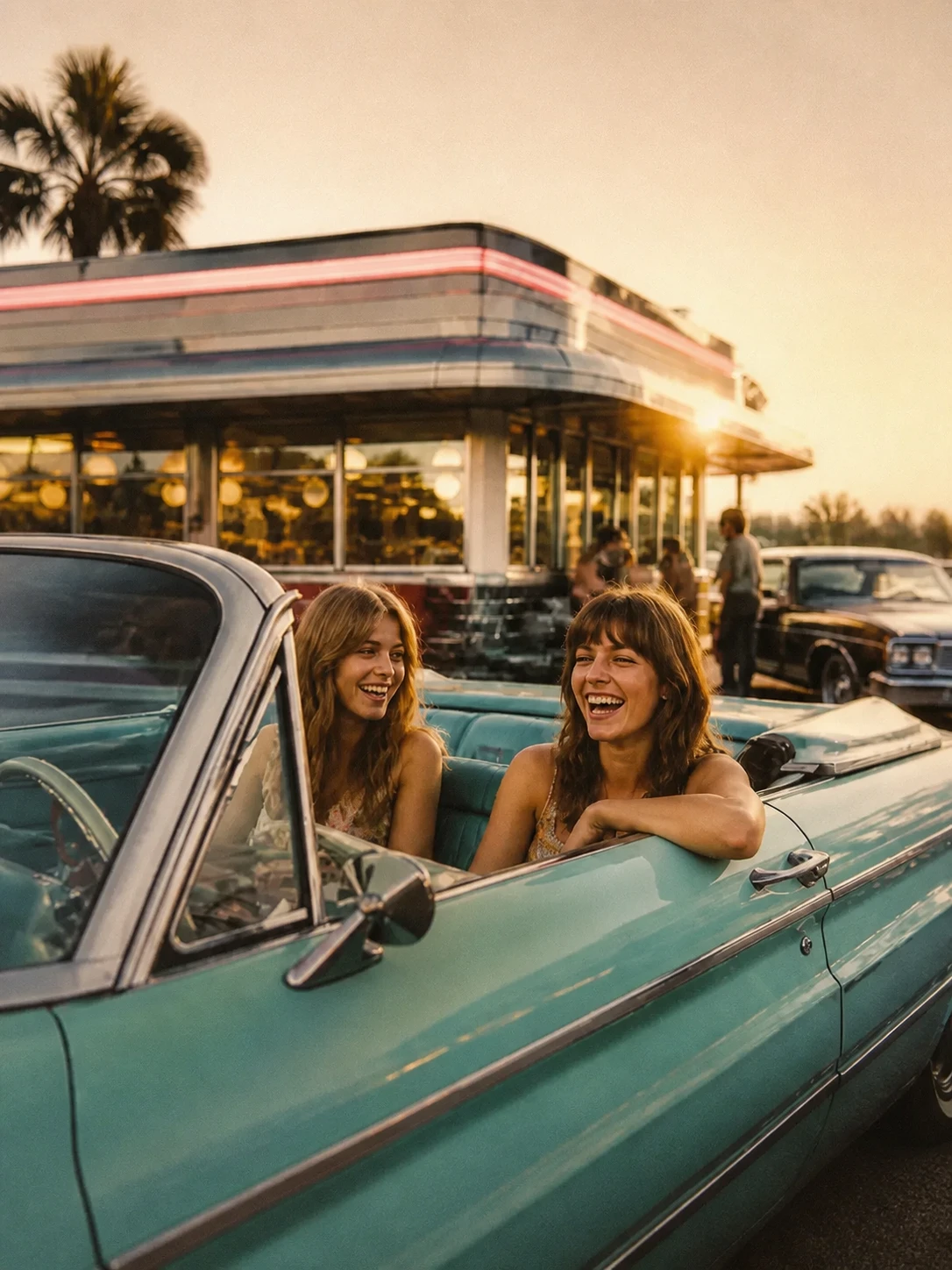
01 · Art style
Polaroid for weird history facts
Selected from the same visual-style library used in the dashboard.
 FacelessReels.coStart planning
Strange history with an evidence trail
Build a history channel around surprising details, without filming or assembling every scene yourself. FacelessReels combines scriptwriting, visuals, narration, captions, and music into a finished video. Watch the Soviet waste-tank example, explore a bridge story brief, and reuse a production setup while you keep control of historical review.
A bridge from nineteenth-century London…
weird history facts strategy
A repeatable history channel needs more than a folder of odd claims. You select the era, story direction, visual style, and voice; FacelessReels develops each weird history fact into a script, generated scenes, narration, timed captions, music, and a vertical MP4. That joins production tasks in one workflow. You still check the historical record, dates, and illustrative details before a finished episode represents your channel.
The history direction spans eras, regions, professions, and evidence types, giving a channel alternatives to royal scandals and war montages. Food origins, ordinary tools, corrected misconceptions, local decisions, and overlooked inventions can each support an episode with a different consequence.
Historical precision lives in small distinctions: a recommendation is not a law, a demonstration is not always an invention, and a newspaper claim is not an archaeological finding. Keep these stages separate so every scene supports the actual record.
weird history facts creative configuration
Choose the look and sound once, then reuse them across episodes. This button carries settings, not the story brief. Sign in, review the setup, and choose an eligible paid plan before generating.
Selected from the same visual-style library used in the dashboard.
Preview the same voice asset available in the Language & Voice step.
Start with this music bed; change it to suit your channel.
A narration target, not a promise of exact finished length.
Your plan determines frequency. Connected, enabled accounts use your saved timezone.
Give new episodes a consistent subject focus while varying the story and evidence.
Real completed weird history facts video
The Soviet Waste Tank That Exploded Without Fire is a completed FacelessReels video about a documented industrial disaster. The unexpected mechanism and historical setting directly match the weird history facts format.
weird history facts topic map
Each idea is paired with a research route so the eventual short can be checked before its scenes are rendered.
Explain how a named bridge was dismantled, transported, and reconstructed instead of repeating the myth that buyers thought they were purchasing Tower Bridge.
Research routeMunicipal history, engineering records, and contemporary reporting.Separate the dish's earlier record from the celebrity, event, or cookbook that later amplified it.
Research routeDigitized cookbooks, newspaper archives, and food-history scholarship.Follow a strange proposal through its actual legislative stage and explain why viral summaries overstate what happened.
Research routeLegislative journal, government archive, and reputable legal history.Use a museum object to reveal an overlooked profession or daily routine from one place and era.
Research routeMuseum catalogue, curator essay, and archaeological context.Show how a copied label or measurement persisted while keeping the original evidence and later correction distinct.
Research routeHistoric maps, geographic scholarship, and archive provenance.Original weird history facts story brief
30–40 seconds targetArcher voiceElegant captionsA bridge from nineteenth-century London now carries traffic through the Arizona desert—but it was not moved in one piece.
A hook and scene direction to develop, not final narration or a promise to reproduce the sample. The setup button carries creative settings only.
The story begins in 1968, when entrepreneur Robert P. McCulloch purchased the facing stones of the London Bridge that had opened in 1831. The hook should show one labeled stone or the dismantling process, not imply that the full structure floated intact across the Atlantic.
The stones were numbered, shipped, and used as cladding around a new concrete structure at Lake Havasu City. The middle of the short should distinguish the original masonry facing from the modern supporting core. It should also avoid repeating the popular claim that McCulloch believed he was buying Tower Bridge unless reliable evidence supports that story.
The payoff explains why the project mattered to the new city: the reconstructed landmark became part of a development and tourism strategy. End on the engineering transformation and the documented opening in Arizona, with dates checked against municipal and bridge histories.
weird history facts production direction
Save the archival tone and narrator for your Series, then change the next episode's subject without rebuilding its entire production setup.
Provides archival texture without pretending generated scenes are photographs. Labels should make illustrative reconstructions clear.
A conversational British delivery suits documentary narration while keeping dates and place names clear.
Uses a restrained treatment so sources, dates, and unusual terms remain readable without competing with the historical object.
Start with noon in your timezone, then adjust it for your audience. The active plan determines release frequency; the time alone does not promise daily videos.
weird history facts quality system
Check the exact claim against its earliest credible record and distinguish later interpretation. If the surprising version fails, tell the correction.
Use visuals to clarify sequence: proposal, vote, construction, opening, judgment, appeal. Do not imply that events happened together when the record places them years apart. Keep the timeline legible. Preserve context throughout each episode.
weird history facts questions
Start with museums, government archives, digitized primary sources, archaeology, and credible scholarship. Use list articles only to discover a lead, not as final proof.
Polaroid creates historical texture while remaining clearly illustrative. The creator can switch to Realism, Painting, Comic, or any other available style in the wizard.
An eligible paid plan covers script development, generated scenes, narration, captions, music, and video output. Research judgment and final historical review remain yours.
Yes. The history preset supports storytelling and five-things formats internally, while the public setup starts from a concise storytelling example.
Yes. The saved 12:00 time is interpreted in the Series timezone and converted for generation and platform publishing.
Carry these weird history facts settings through sign-in, then review your Series. A paid plan covers generation; this page does not generate a video or carry the example brief.